
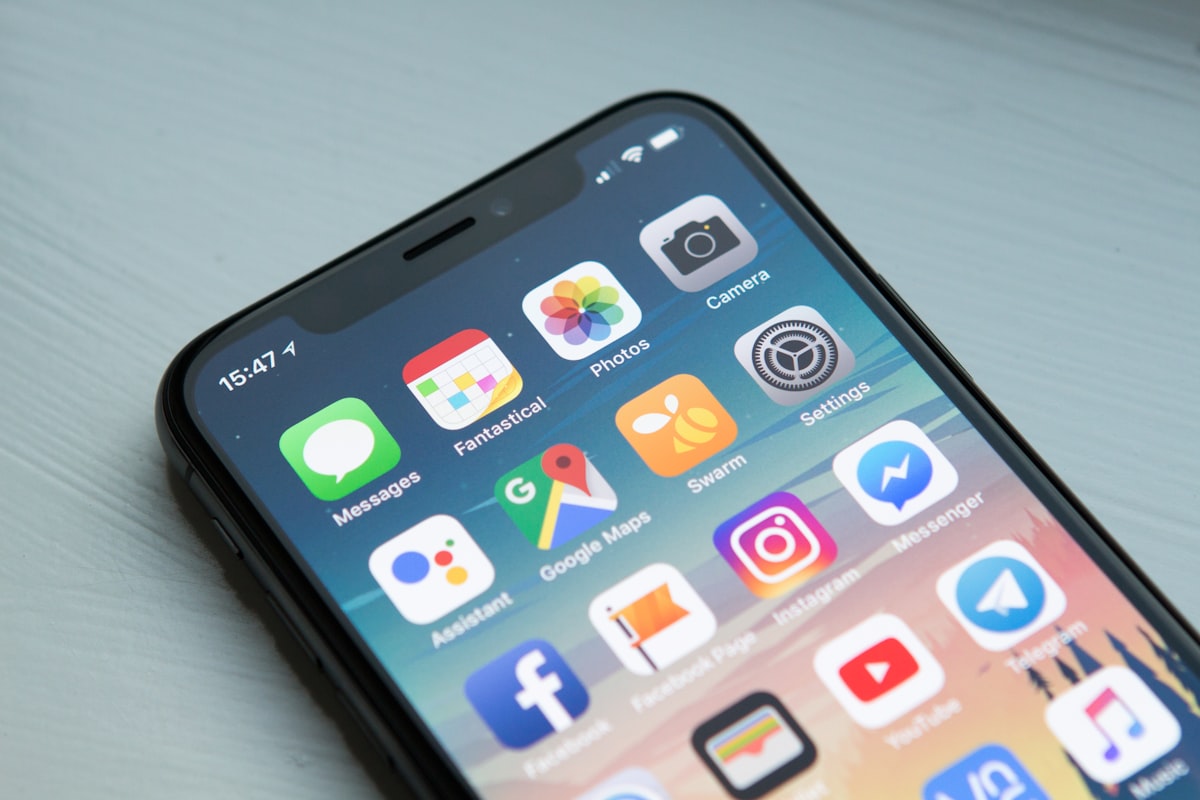
Mobile App Development Best Practices
Short answer: great mobile apps are fast, simple to use with one hand, respectful of battery and data, secure, and tested on real devices. Design for small screens and unreliable networks first, then add features.
1. Design for the small screen
- Put the most important action within thumb reach.
- Make touch targets at least about 44 to 48 points in size.
- Use one clear primary action per screen and keep navigation shallow.
- Follow platform conventions: Material Design on Android, Human Interface Guidelines on iOS.
- Support dark mode and different text sizes.
2. Make it fast
- Show something within a second or two; use skeleton screens instead of blank pages.
- Keep the main thread free; do heavy work in the background.
- Use list virtualization for long lists (FlatList, RecyclerView, LazyColumn).
- Compress and cache images; load the right size.
- Keep the app size small by removing unused libraries and assets.
3. Respect battery and data
| Do | Avoid |
|---|---|
| Batch network requests and use caching | Constant polling |
| Request location only when needed, at the lowest accuracy that works | Always-on GPS in the background |
| Use push notifications for updates | Background loops that wake the device |
4. Work offline and on bad networks
- Cache recent data and allow basic use without a connection.
- Queue actions and sync when the network returns.
- Show clear messages for loading, empty and error states.
- Set timeouts and retry with backoff.
5. Secure the app and its data
- Use HTTPS only and validate server certificates.
- Store tokens in the secure keystore (iOS Keychain, Android Keystore), not in plain text or shared preferences.
- Never hard-code API keys or secrets in the app; they can be extracted. Keep sensitive logic on your server.
- Request only the permissions you need and explain why.
- Use secure authentication; see API authentication methods.
6. Handle permissions respectfully
Ask at the moment a feature needs a permission, not on first launch. Explain the benefit, and make the app still useful if the user says no.
7. Build accessibility in
- Add labels for screen readers (VoiceOver, TalkBack).
- Keep sufficient color contrast and do not use color alone to convey meaning.
- Support larger text and keyboard or switch control where possible.
8. Test thoroughly
- Test on real devices: old and new, small and large screens, Android and iOS versions.
- Automate unit and UI tests; see software testing guide.
- Test interruptions: calls, low battery, rotation, backgrounding.
- Beta test with TestFlight and Google Play internal testing.
9. Monitor and improve
- Add crash reporting (for example Firebase Crashlytics or Sentry).
- Track key events and funnels with privacy in mind.
- Read reviews and fix the top complaints first.
10. Release and maintain well
| Practice | Why |
|---|---|
| Use semantic version numbers | Clear history and support |
| Roll out gradually (staged rollout) | Catch problems before everyone gets them |
| Automate builds with CI/CD | Repeatable releases; see CI/CD pipelines |
| Update for new OS releases early | Avoid breakage and store warnings |
| Write release notes users can read | Builds trust |
11. Respect privacy and store rules
- Publish a clear privacy policy and follow GDPR and local laws.
- Be honest in store listings and in-app purchase flows.
- Follow Apple and Google guidelines to avoid rejection.
Quick pre-release checklist
- No crashes on common flows; error states handled.
- Works offline or fails gracefully.
- Permissions and privacy text reviewed.
- Accessibility and dark mode checked.
- Crash reporting and analytics active.
Next steps
Start building with your first mobile app and choose a stack in native vs cross-platform.